


Gallery Posts






Lorem ipsum dolor sit amet, consectet eiusmod tempor incididunt ut labore e rem ipsum dolor sit amet. sum dolor sit amet, consectet eiusmod.
| Mon - Fri: | 8:00 am - 8:00 pm |
| Saturday: | 9:00 am - 6:00 pm |
| Sunday: | 9:00 am - 6:00 pm |
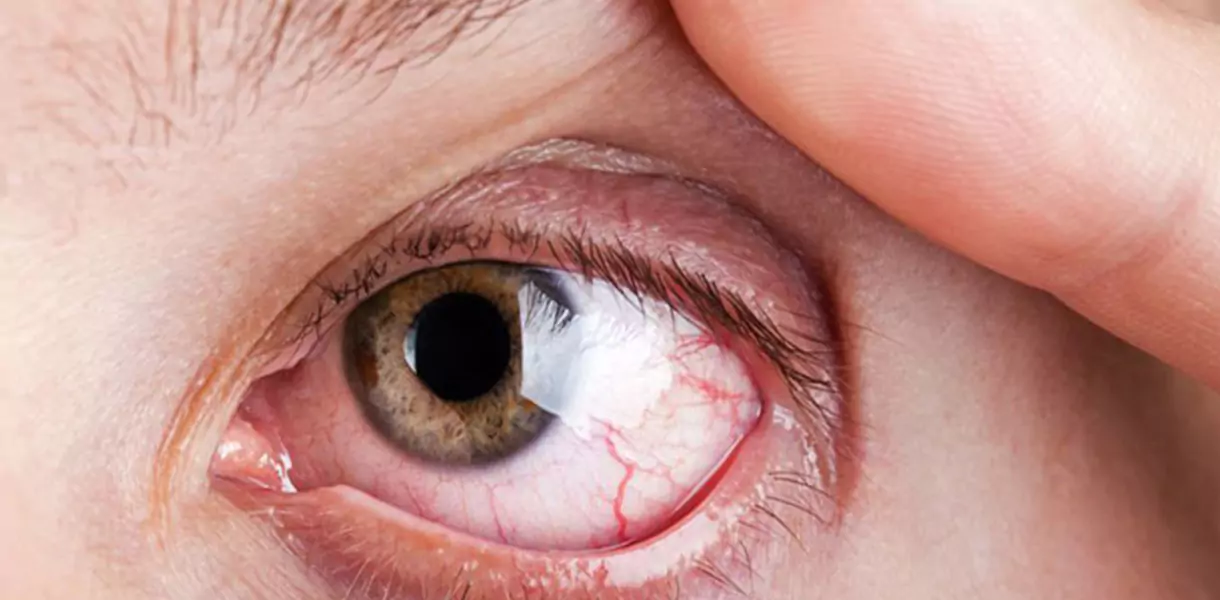
Diabetic retinopathy is a serious eye condition affecting individuals with diabetes, often leading to vision loss if untreated. It occurs due to damage to the blood vessels in the retina caused by prolonged high blood sugar levels. With early detection and proper management, the progression of diabetic retinopathy can be controlled effectively.
Diabetes impacts eye health by damaging the delicate blood vessels in the retina. High blood sugar levels lead to poor circulation, causing leaks, swelling, and reduced oxygen supply to the retina. Over time, this damage worsens, potentially resulting in irreversible vision problems.
Non-Proliferative Diabetic Retinopathy (NPDR)
In this early stage, the blood vessels in the retina develop small bulges called microaneurysms, which may leak fluid and blood into the retina. NPDR is categorized into three stages:
Proliferative Diabetic Retinopathy (PDR)
This advanced stage involves the growth of abnormal blood vessels (neovascularization) in response to poor oxygen supply. These fragile vessels can rupture, causing retinal detachment or severe vision loss.
Early-Stage Symptoms
Advanced Symptoms
A thorough eye exam is crucial for diagnosing diabetic retinopathy, including:
Controlling blood sugar, blood pressure, and cholesterol through a healthy diet, regular exercise, and medication can slow progression.
Laser photocoagulation helps seal leaking blood vessels and prevents new abnormal growth. It is especially effective in early-stage PDR.
Anti-vascular endothelial growth factor (VEGF) medications like Avastin, Lucentis, or Eylea block abnormal vessel growth and reduce fluid leakage.
This surgical procedure removes scar tissue, blood clots, and cloudy vitreous fluid to restore vision in advanced cases.
Blurry vision and floaters are common early warning signs.
While early-stage damage may improve with treatment, advanced cases are harder to reverse.
Yes, with timely treatment and proper diabetes management.
Those with prolonged diabetes, poor glucose control, or coexisting hypertension.
Annually, or more frequently if diagnosed with retinopathy.
A combination of anti-VEGF injections, laser treatments, or vitrectomy may be necessary.
Birla Eye Hospital stands as a state-of-the-art eye care facility in Kota, Rajasthan.
| Mon - Fri: | 10:00 am - 06:00 pm |
| Saturday: | 10:00 am - 06:00 pm |
| Sunday: | 10:00 am - 02:00 pm |
Copyright 2026 Birla Eye. All Rights Reserved.